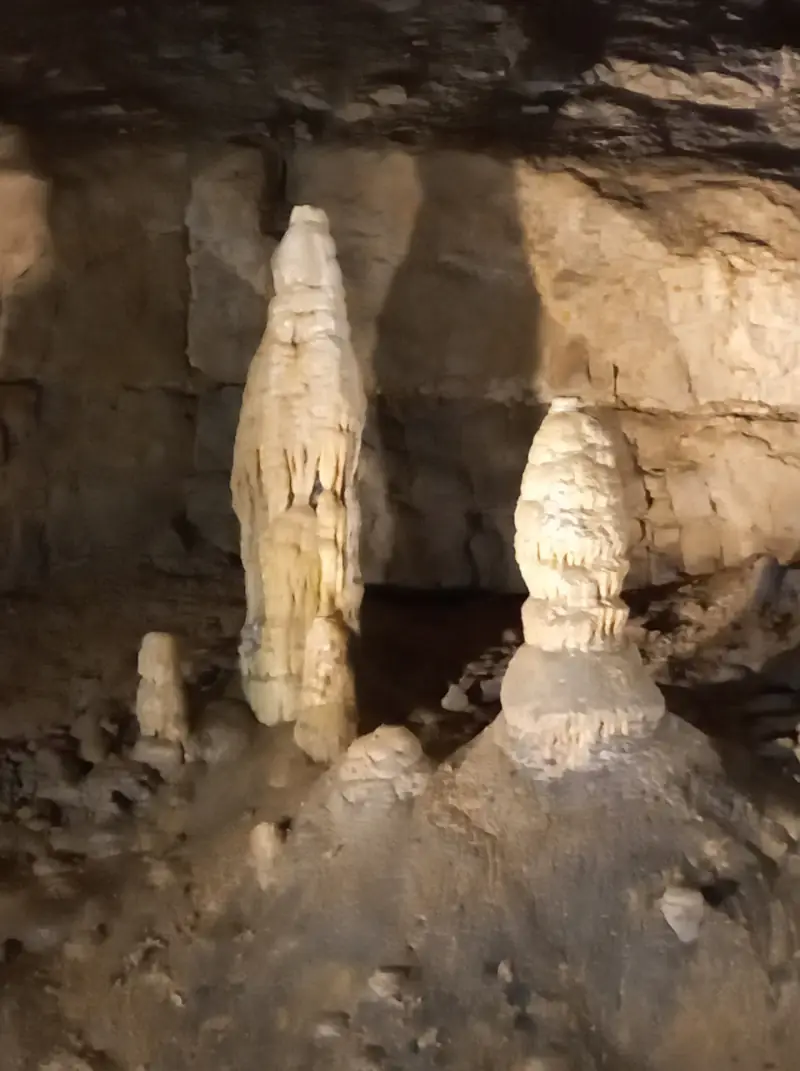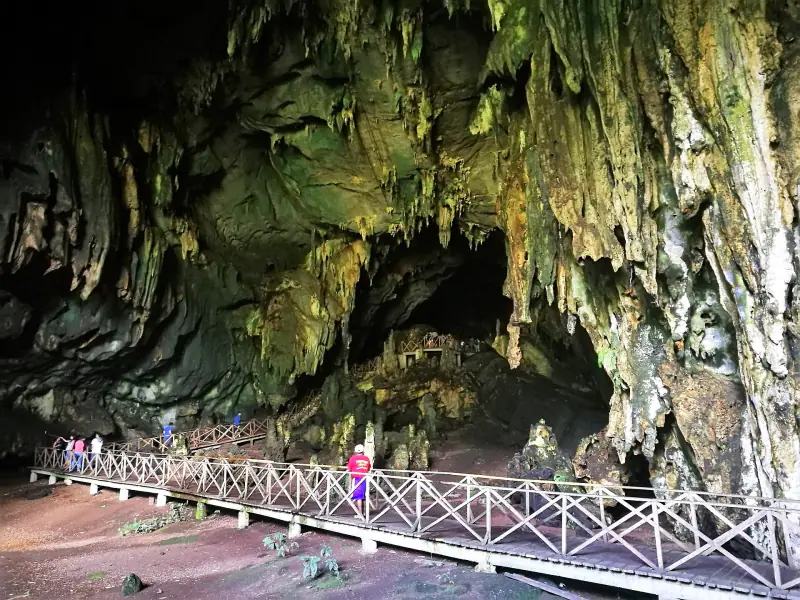
Cueva de las Lechuzas
A large limestone cave in Tingo María National Park. Oilbirds, parrots and bats live in it.
Owls that are not owls
Early visitors heard birds screeching in the dark and took them for owls, lechuzas in Spanish. The birds are oilbirds. They leave the cave at dusk to feed on fruit and return before dawn.
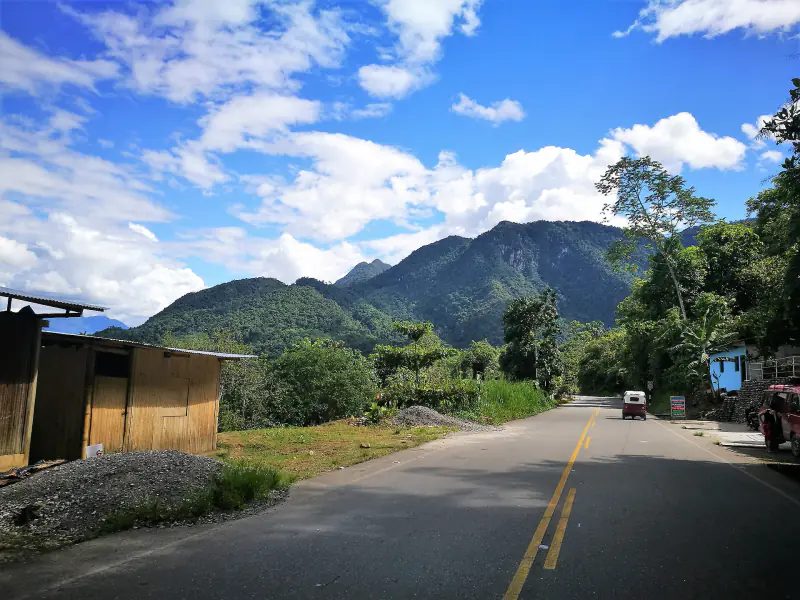
The cave lies at the foot of a limestone range whose outline is said to look like a sleeping woman. The park was created to protect the cave and the forest around it.
Cueva de las Lechuzas at a glance
- Location
- 6 km from Tingo María, Huánuco
- Protected area
- Tingo María National Park, founded 1965
- Rock
- limestone
- Known for
- colony of oilbirds
- Altitude
- about 650 m
- Visitor route
- wooden walkway into the first hall
- Mountain
- Bella Durmiente (Sleeping Beauty)
- Time needed
- 1–2 hours
The entrance hall
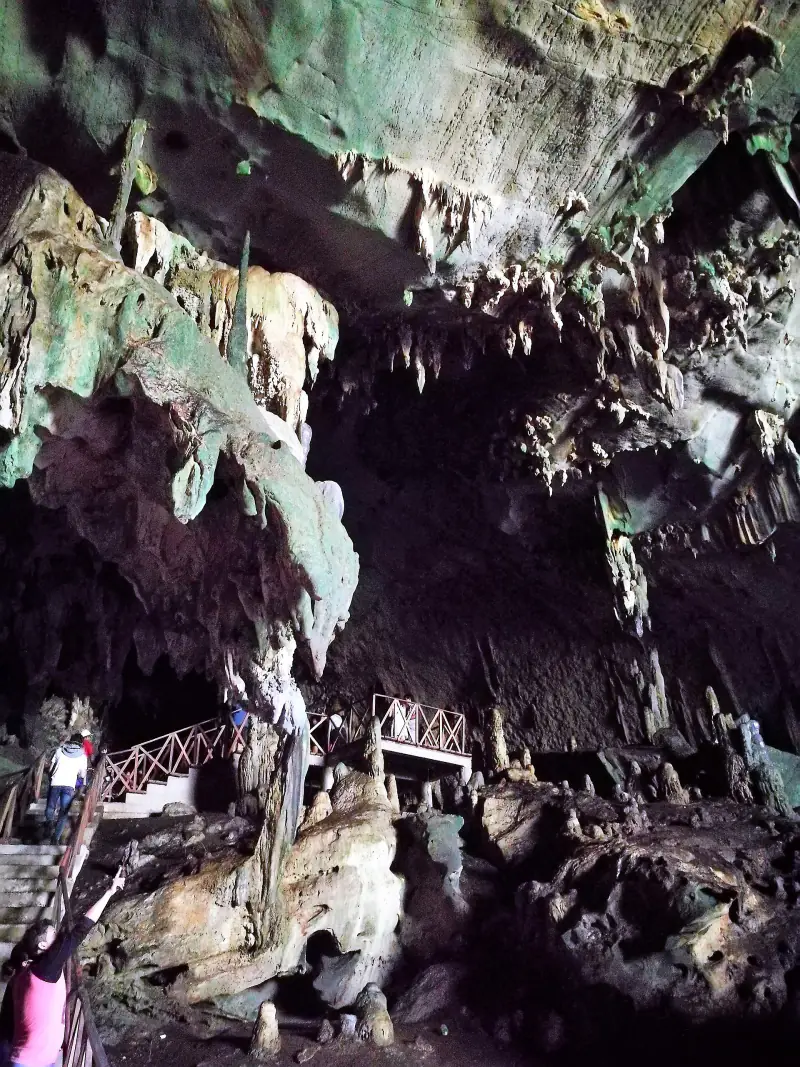
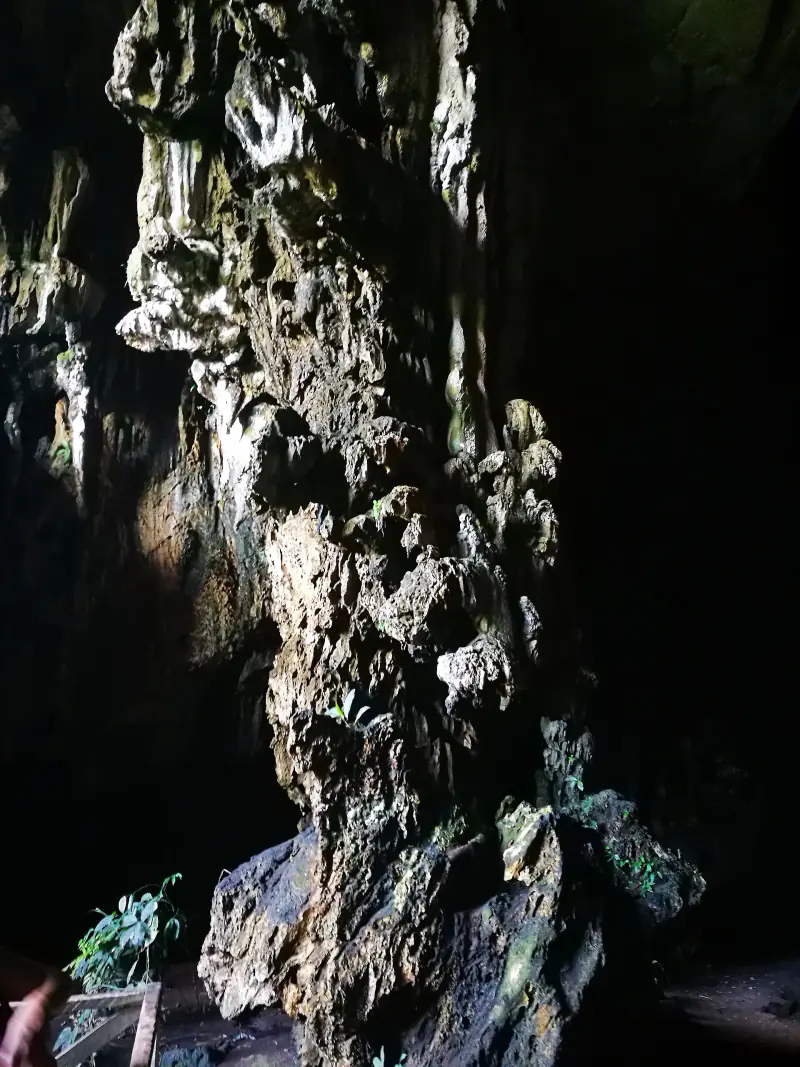
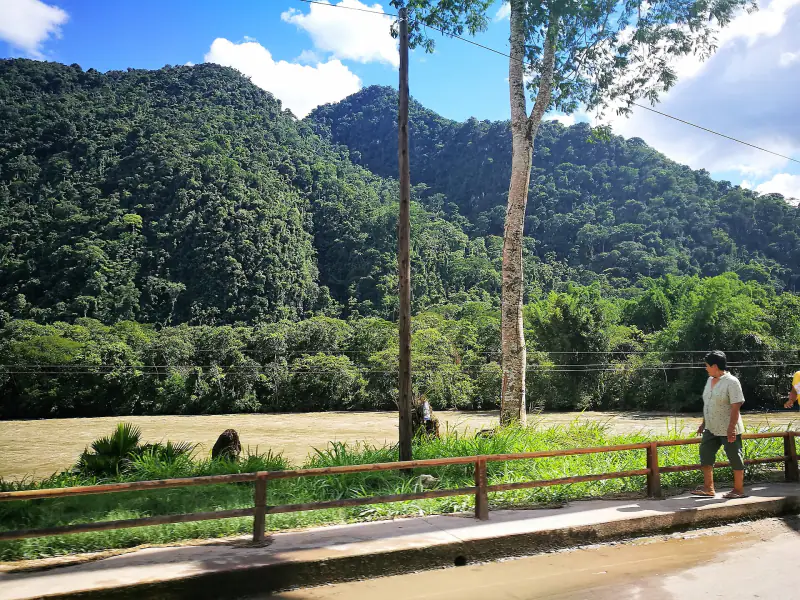
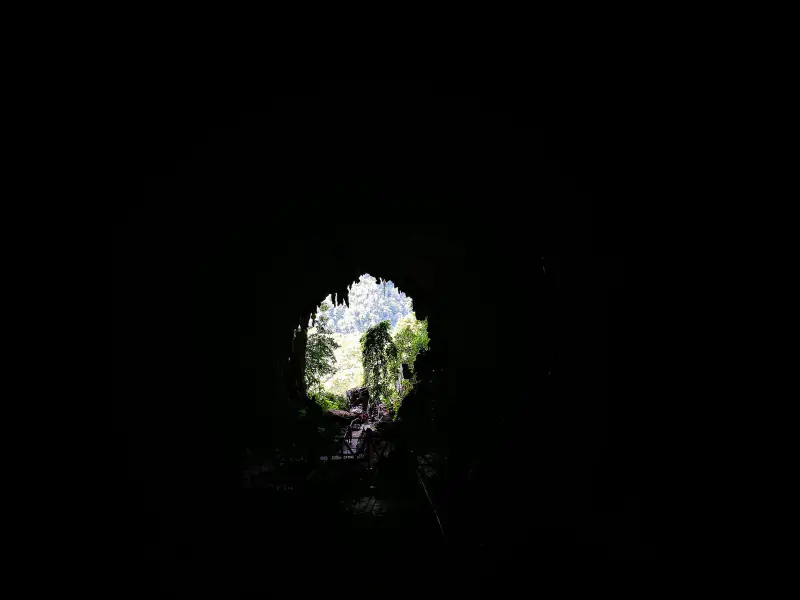
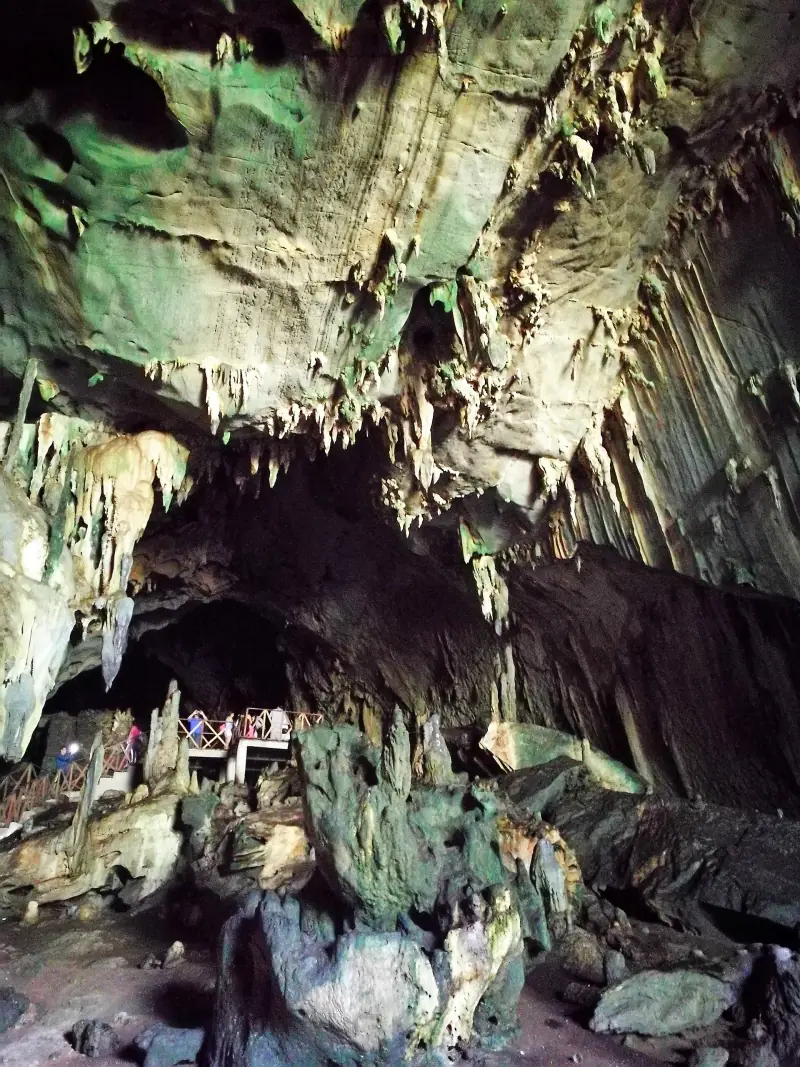
A path from the park gate crosses a river and climbs to the cave mouth. A wooden walkway then leads into the first hall, which is high and wide and has large stalactites.
Parrots nest near the entrance, and the oilbirds are further in.
Tingo María National Park
Tingo María National Park is the second oldest in Peru. Besides the cave it has waterfalls, sulphur springs and trails in montane forest.
Cueva de las Lechuzas in figures
In pictures
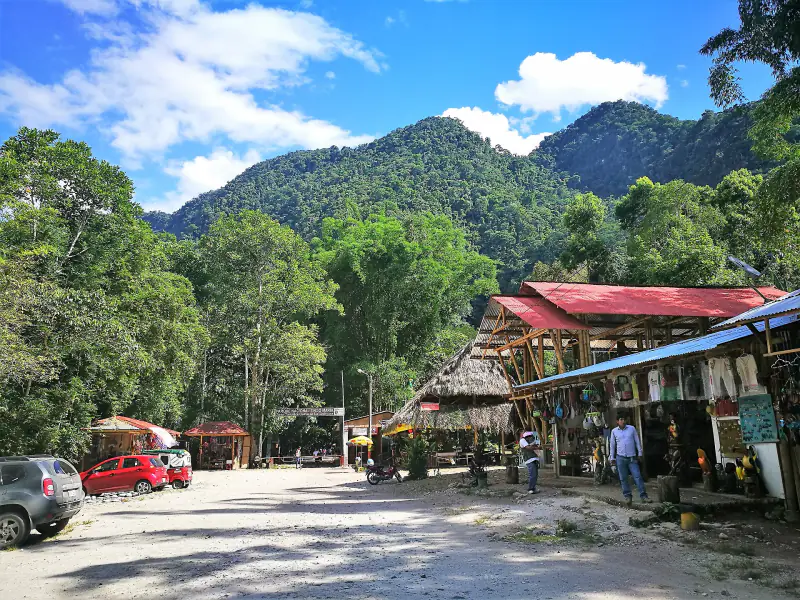
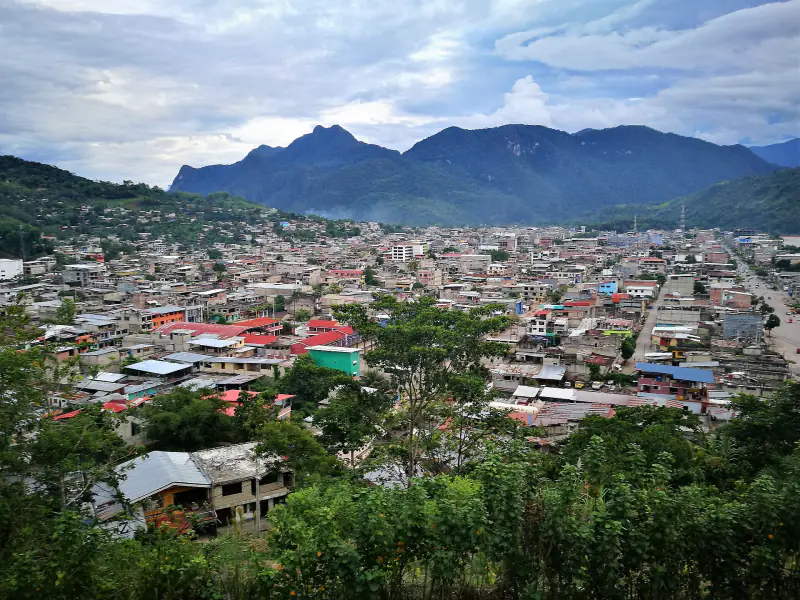
Select a photograph to enlarge it. Authors and licences are listed in the photo credits.
Before you go
Getting there
Tingo María is about two and a half hours by road from Huánuco, which has flights from Lima. Mototaxis run from the town to the park gate.
On the visit
The walkway is easy but damp. Bring a torch to see the roof and the birds.
Good to know
Do not leave the walkway. Dust from the cave floor can carry the fungus that causes histoplasmosis.
Opening times, access rules and prices change. Confirm them before you travel: SERNANP.