Plan your visit
Season, altitude, guides and transport.
Five things to know first
Most visits are simple and cheap but need time.
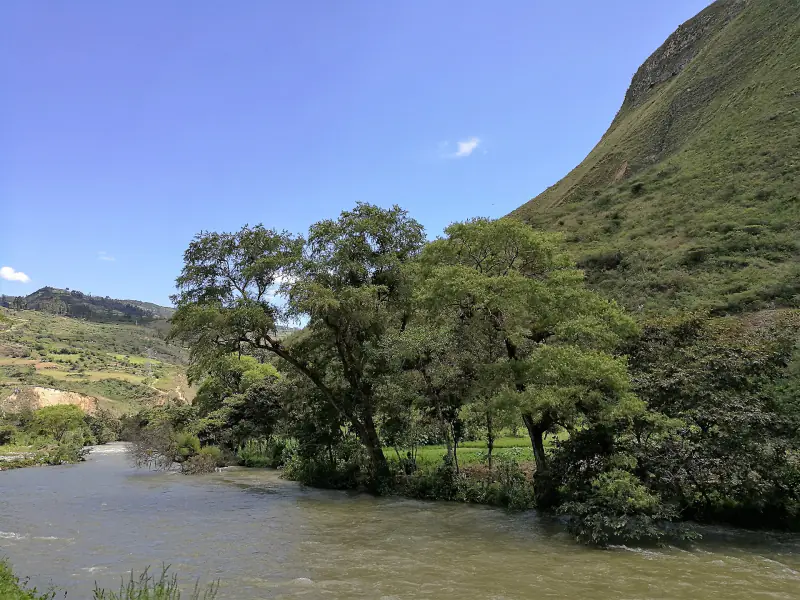
Go in the dry season. From about May to October the paths are drier and rivers are low.
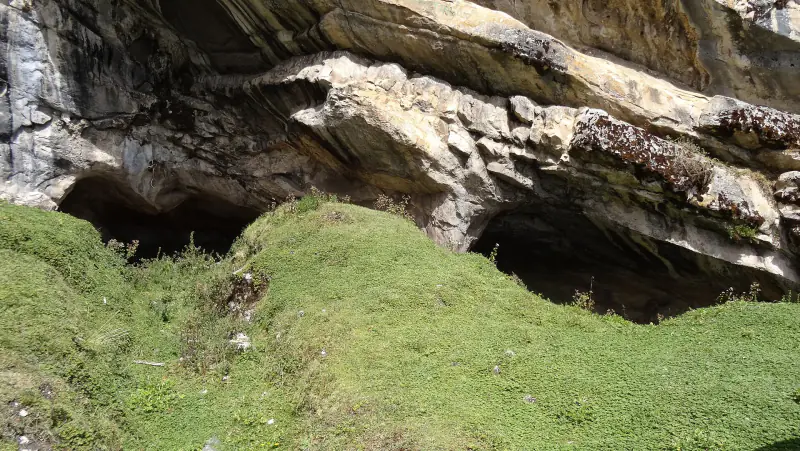
Allow for altitude. Huagapo, Lauricocha and Qenqo are above 3,500 metres. Acclimatise before you walk.
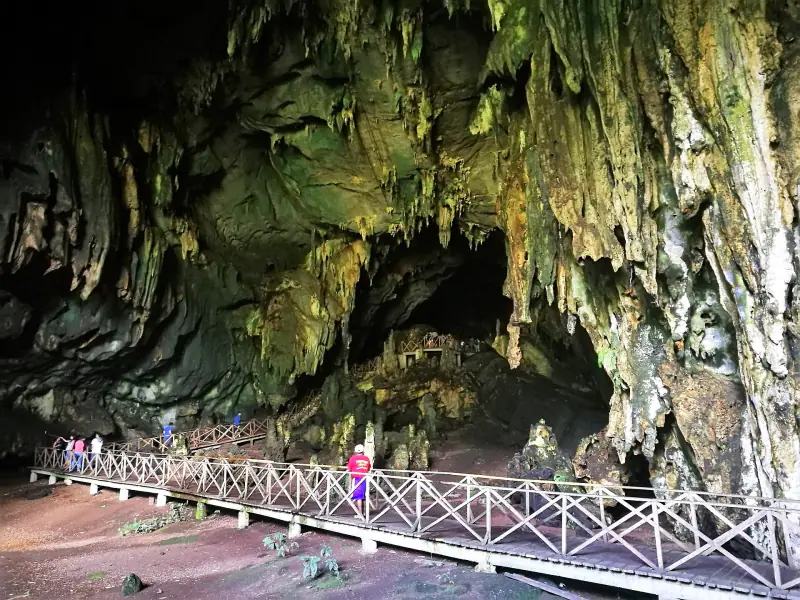
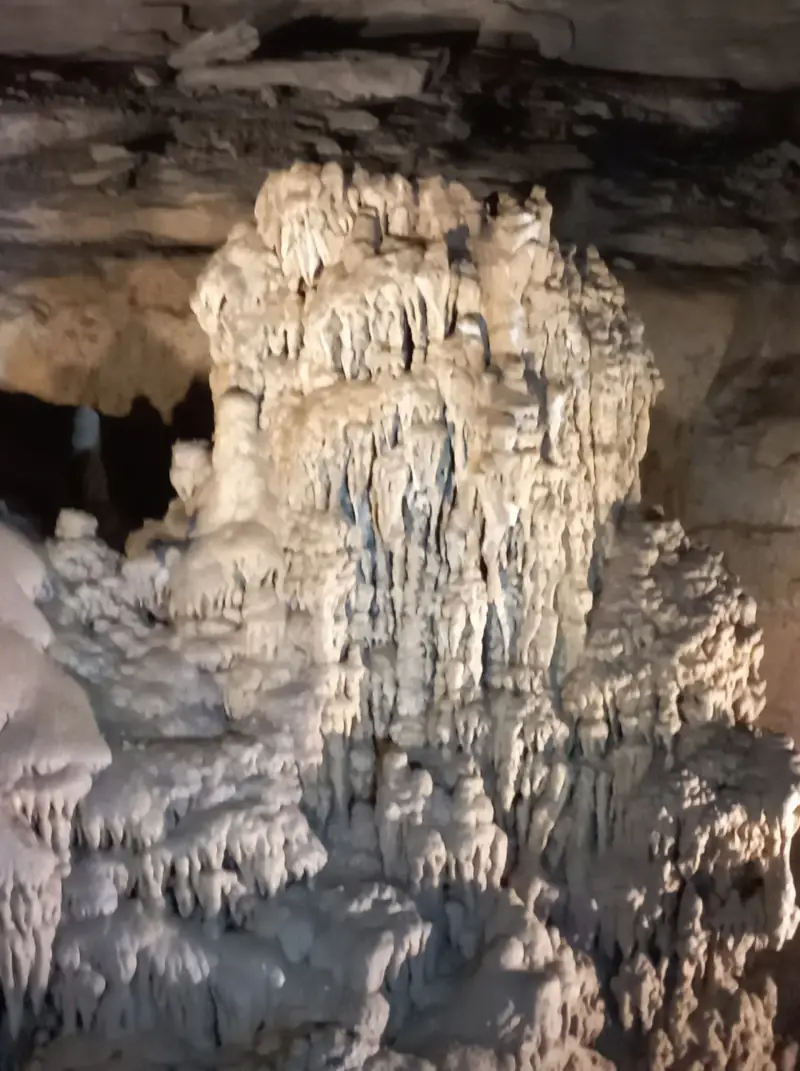
Use local guides. Most caves have no lighting. Community guides know the route and the fees support the village.
Expect mud and water. Rubber boots are needed at Quiocta, and Palestina involves wading.
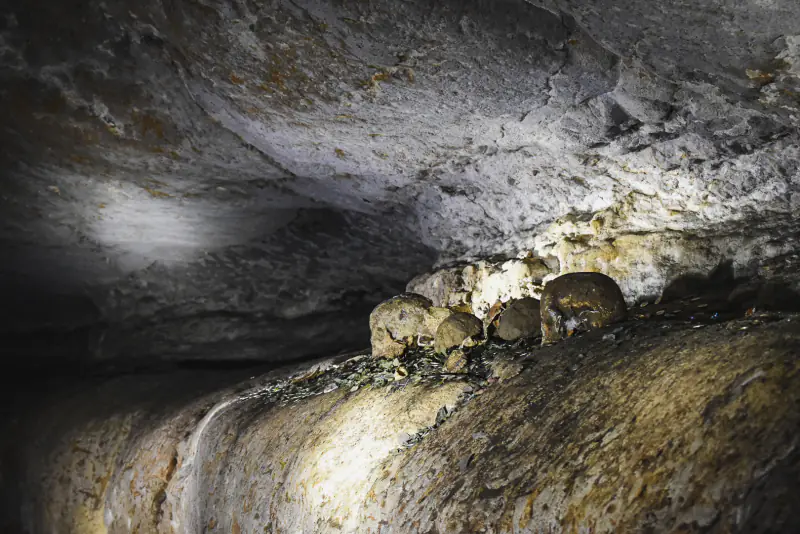
Respect the dead. Several sites are burial places. Do not touch bones or tombs.
When to go
| Season | What to expect | Best for |
|---|---|---|
| Dry season (May–Oct) | Clear weather in the Andes and less rain in the high jungle. | All sites |
| Rainy season (Nov–Apr) | Daily rain, landslides on mountain roads and high water in river caves. | Qenqo; museums |
| Shoulder months (Apr, Nov) | Fewer visitors. Some rain. | Chachapoyas region |
Three bases
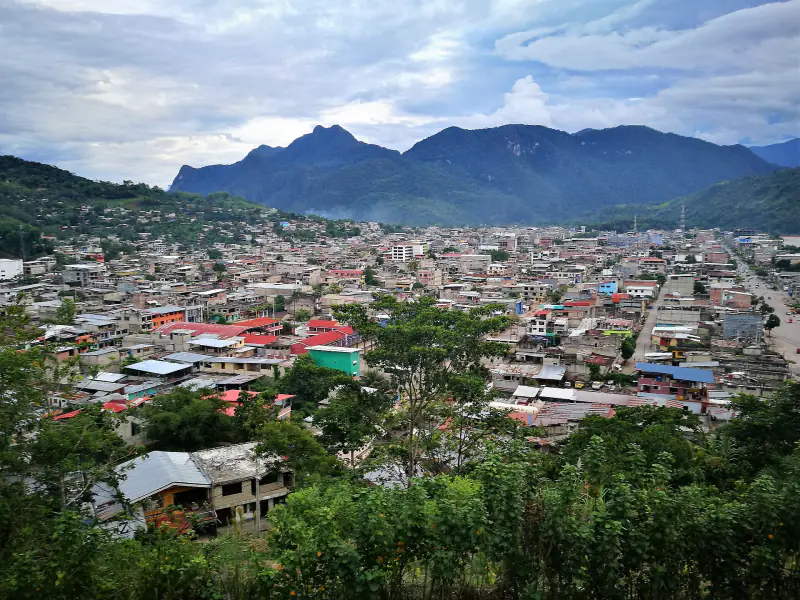
Chachapoyas is the base for Karajía, Quiocta, Revash and Gocta. It is reached by road from Jaén, which has flights from Lima.
Tingo María is the base for the Cueva de las Lechuzas and is reached from Huánuco.
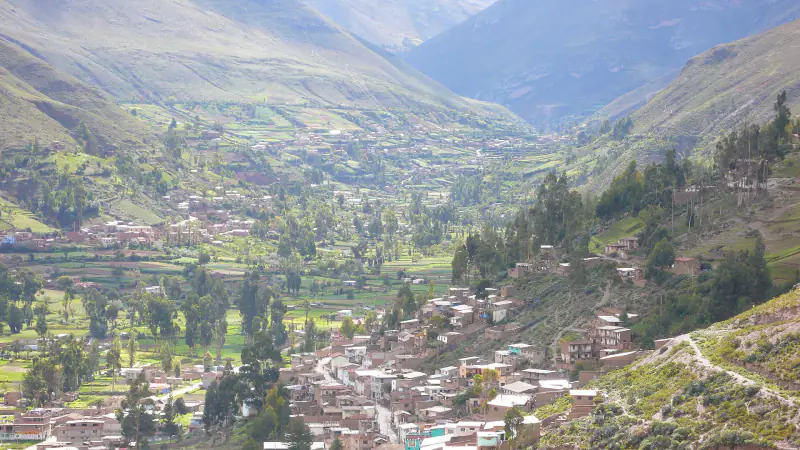
Tarma is the base for Huagapo, about five hours by road from Lima.
Torch, boots and layers
- A head torch and spare batteries
- Rubber boots or shoes that can get wet
- Warm layers for the high Andes
- A waterproof jacket
- Sun protection and water
- Cash in small notes for community fees
This site is an independent guide. It does not sell tickets and has no connection with the operators of any site. Opening hours, prices and booking rules are set by each operator and change. Follow the official link on each page.