Lauricocha Caves
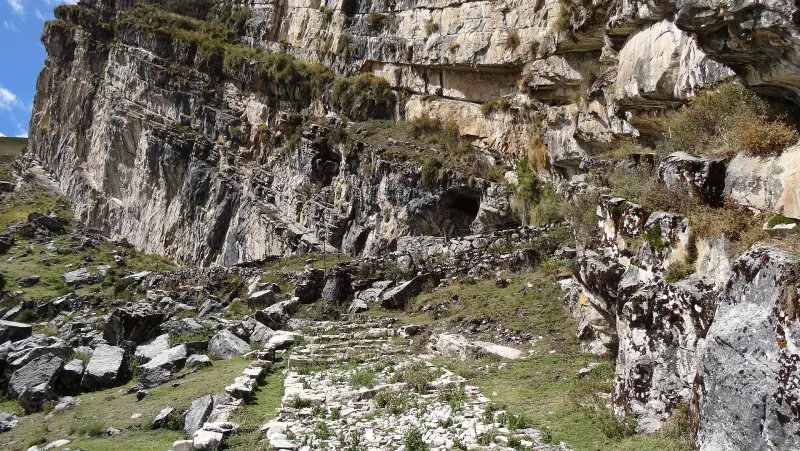
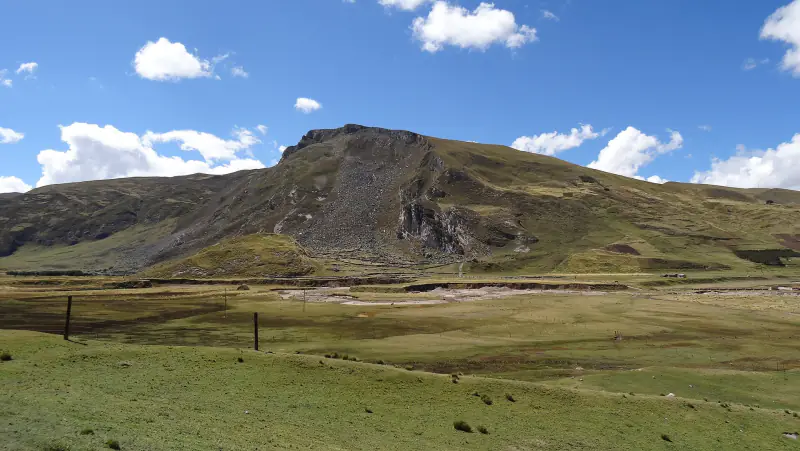
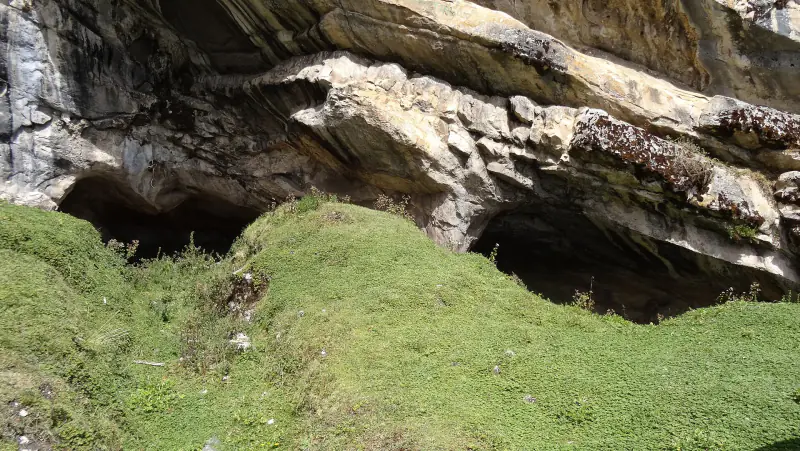
Rock shelters near Lake Lauricocha at about 4,000 metres. Some of the oldest human remains in Peru were found here.
Hunters of the puna
The Peruvian engineer and archaeologist Augusto Cardich excavated the shelters in the late 1950s. He found the burials of adults and children, with stone tools and the bones of deer and wild camelids.
The remains showed that hunters lived on the high grassland, the puna, soon after the glaciers retreated.
Lauricocha Caves at a glance
- Location
- near Lake Lauricocha, Huánuco
- Altitude
- about 4,000 m
- Type
- rock shelters in limestone
- Excavated
- 1958–1959, by Augusto Cardich
- Finds
- human burials, stone tools, animal bones
- Age of burials
- about 9,000 years
- Nearby
- source of the Marañón river
- Access
- rough road, then on foot
Shelters above the lake
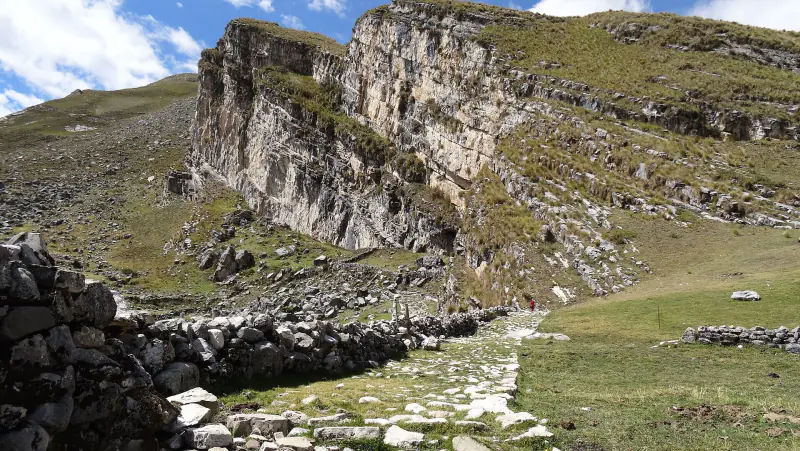
The shelters are openings at the base of limestone cliffs. Some have rock paintings in red. The lake below is regarded as one of the sources of the Marañón, and so of the Amazon.
Lauricocha Caves in figures
In pictures
Select a photograph to enlarge it. Authors and licences are listed in the photo credits.
Before you go
Getting there
The lake is reached by unsurfaced roads from Huánuco or from the Callejón de Huaylas side. Allow a full day and use a vehicle with good clearance.
On the visit
There are no facilities. Ask in the village of Lauricocha for someone to show the way.
Good to know
At 4,000 metres the weather changes fast. Acclimatise first and carry warm, waterproof clothing.
Opening times, access rules and prices change. Confirm them before you travel: the regional tourism office in Huánuco.