Caving safely
Most caves have no paths or lights. This page explains the risks, the rules and where to get training.
Caves without paths
What to know before entering a cave that has no paths or lights.
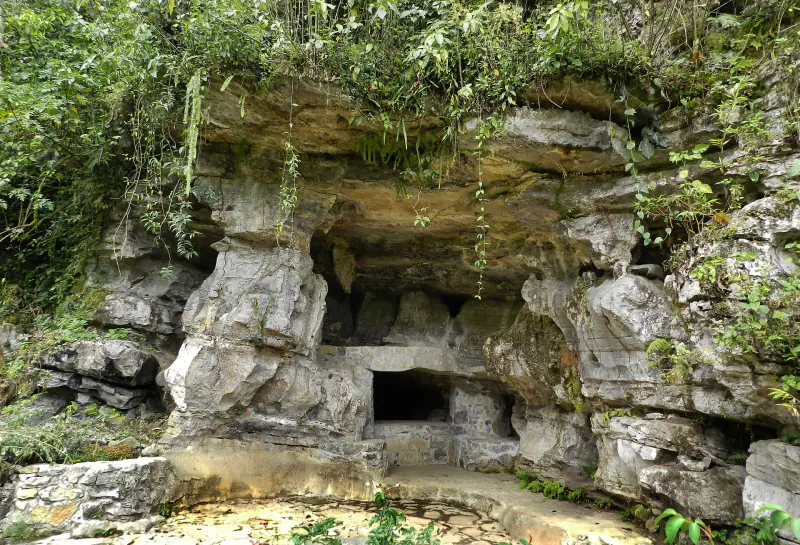
Show caves and visitor sites are a small part of what lies underground. Most caves have no paths, lights or staff. Some are short and horizontal. Many begin with a vertical shaft.
Caving is safe with training, proper equipment and companions who know the cave, and dangerous without them. The hazards are not obvious to a beginner. A dry streamway can flood in minutes after rain that fell kilometres away. A small slip far from the entrance can mean a long rescue. Cold and wet together cause hypothermia even in mild temperatures.
In Peru the main extra risks are altitude, sudden floods in the rainy season and lung infection from bird and bat droppings. Several caves lie above 3,500 metres, where exertion is harder and help is far away.
The essentials
Never alone
The usual minimum is a party of three or four, so that one person can stay with a casualty while others go for help.
Tell someone
Leave word of which cave you are entering and when you expect to be out. Agree a time at which the alarm will be raised.
Three lights each
A helmet-mounted main light and two independent back-ups. A phone torch is not a back-up light.
Watch the weather
Check the forecast for the whole catchment. Stay out of stream caves when rain is expected.
Dress for the cave
Helmet, sturdy boots, gloves and clothing that stays warm when wet. Vertical caves need rope training.
Know your limit
Turn round while everyone still has the energy to get out. The way out usually takes more effort than the way in.
Altitude and histoplasmosis
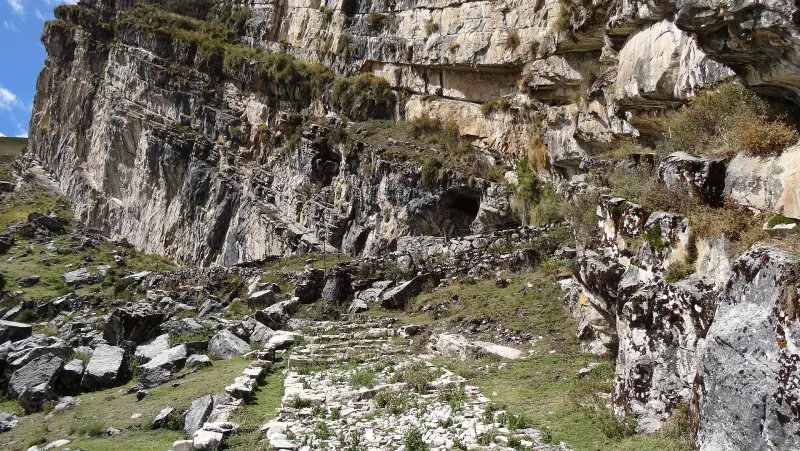
Spend a few days at moderate altitude before visiting high caves such as Huagapo or Lauricocha. Descend if you develop a severe headache, nausea or shortness of breath at rest.
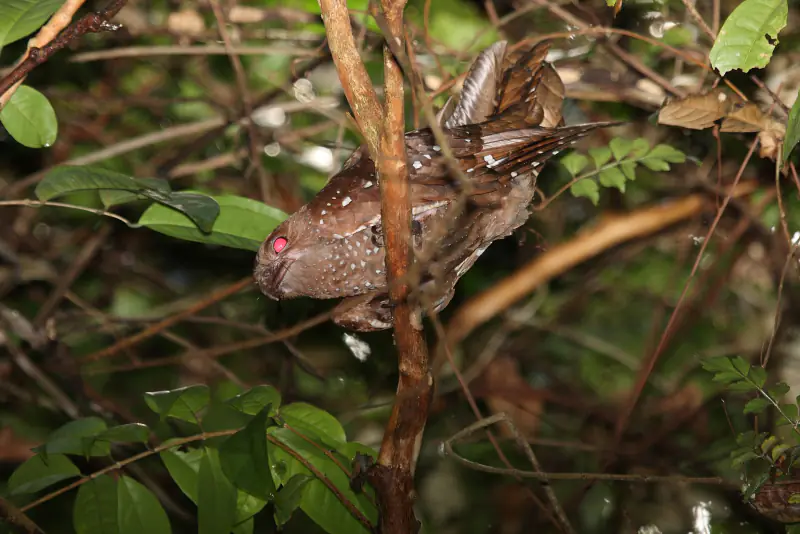
Cases of histoplasmosis, a fungal lung infection, have been reported among visitors to oilbird and bat caves in the Peruvian jungle. Stay on the walkways, avoid stirring up dust and consider a mask in guano-rich chambers.
Protected areas and archaeology
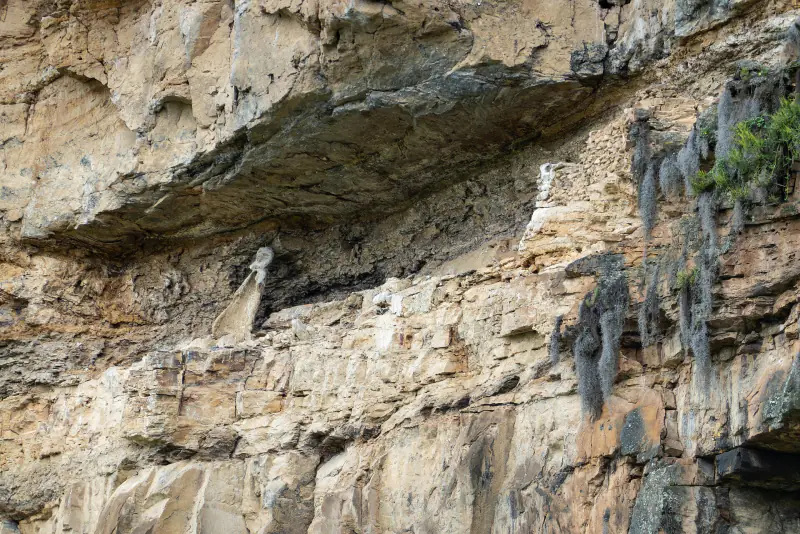
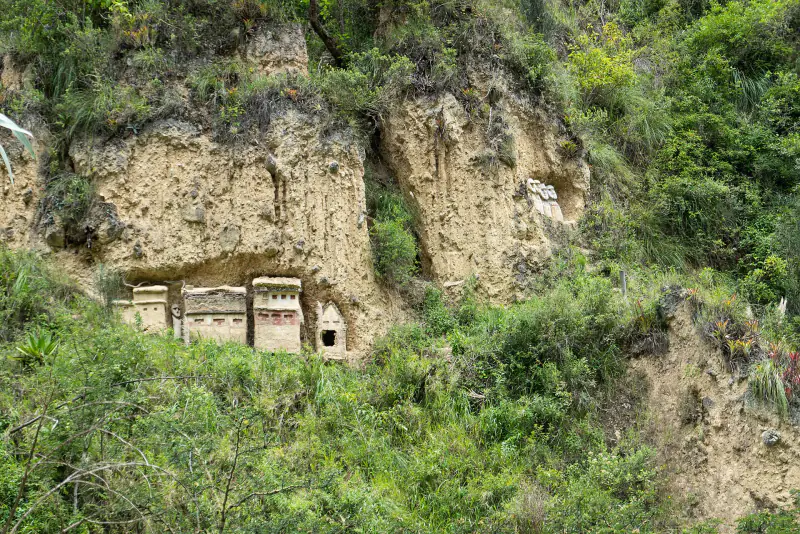
Caves inside national parks and reserves are managed by SERNANP, and entry needs a ticket. Archaeological sites are protected by the Ministry of Culture. It is illegal to remove bones, pottery or textiles or to touch rock paintings.
Many burial sites are still respected by local communities. Go with a local guide and keep to the marked paths.
Leave no trace
Do not touch
Skin oils stain calcite permanently and stop it growing. A broken stalactite does not regrow on a human timescale.
Stay on the route
Mud carried on boots dulls white flowstone permanently. Follow the marked or trodden line.
Mind the animals
Keep light and noise away from bats and other cave animals. Never handle them.
Carry everything out
This includes food scraps and spent batteries. Waste does not decompose normally underground.
Start with a guided visit
Most of the sites on this guide can be visited with a local guide.