The first Peruvians
People reached the Andes at least 12,000 years ago and left traces in rock shelters.
Why rock shelters matter
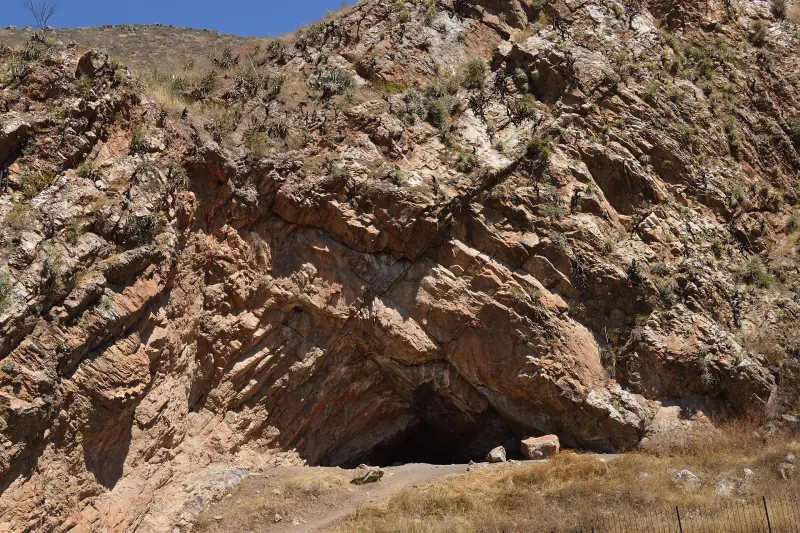
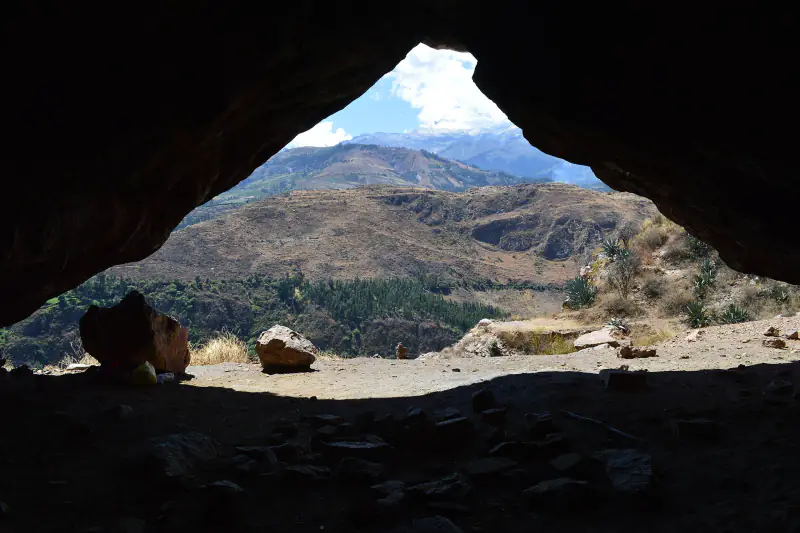
The first people in the Andes were hunters and gatherers who moved with the seasons. They camped under overhangs, and the debris they left built up in layers on the floor.
In the dry conditions of the western Andes these layers preserved bone, wood, plants and fibre. Excavations between the 1950s and the 1970s gave Peru some of the best early records in the Americas.
Early crops
Beans, chili peppers and other plants from Guitarrero show that people were tending crops thousands of years before pottery or villages appeared.
The puna hunters
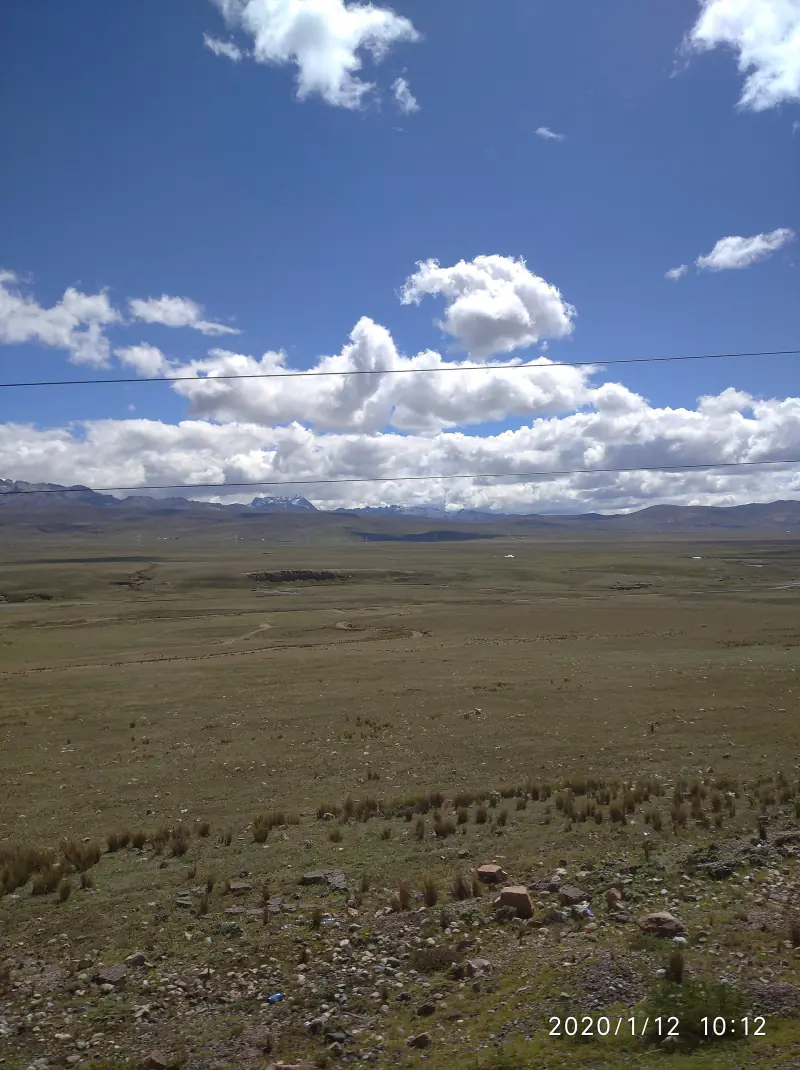
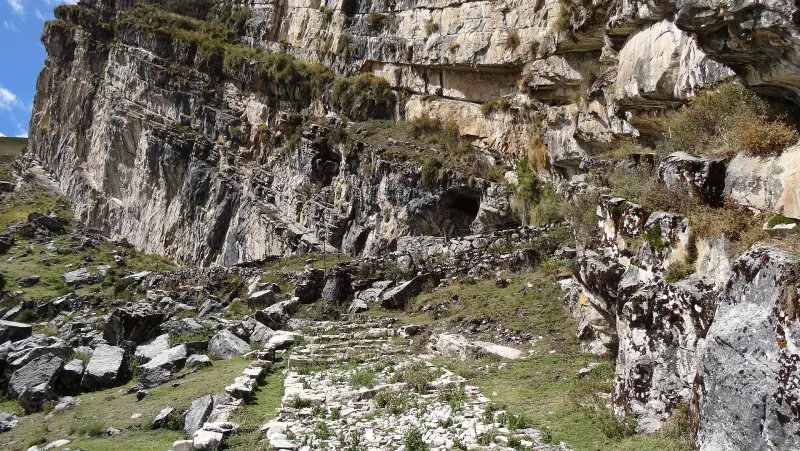
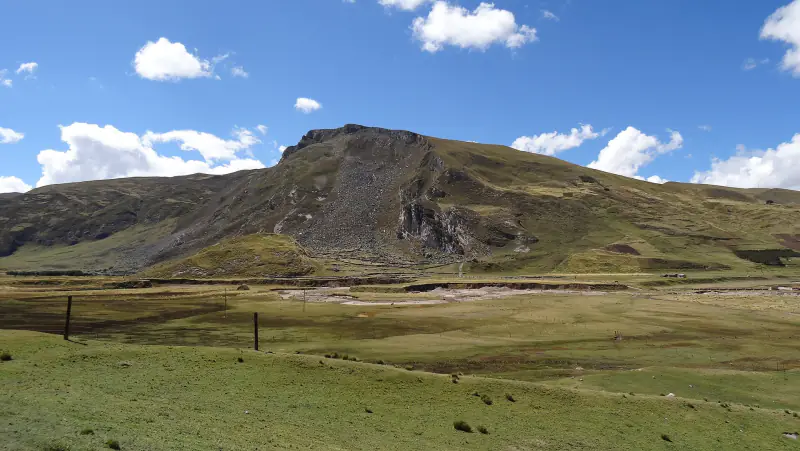
At Lauricocha, hunters lived on the high grassland and hunted deer and wild relatives of the llama. Their dead were buried in the shelters with care, some with beads and red ochre.
Key excavations
- 1958
Lauricocha
Augusto Cardich excavates rock shelters at 4,000 metres in Huánuco and finds burials about 9,000 years old.
- 1963
Toquepala
Rock paintings of hunters driving wild camelids are studied in caves in Tacna. They are dated to roughly 9,500 years ago.
- 1969
Guitarrero
Thomas Lynch excavates Guitarrero Cave and recovers early textiles and cultivated plants.
- 1969
Pikimachay
Richard MacNeish begins work in the Ayacucho valley and finds stone tools with bones of extinct animals.
In pictures
Select a photograph to enlarge it. Authors and licences are listed in the photo credits.